Amino acids are Indispensable assistants to human health – Inessa Krasovskaya, the Director General of a St. Petersburg based medical clinic, SK Inessa Krasovskaya LLC, explains the values of amino acids to human health.
For the health of our body, the work of amino acids is necessary. This is the work of our tissues, the functioning of our internal organs, the beauty of the skin.
But, unfortunately, we are not always, and not every day, able to eat right, we forget something and, accordingly, the cells and the body do not receive proper nutrition. This is where an imbalance in the body, a lack of nutrition, kicks in.
“There is a saying: “I am what I eat!” Dull complexion, sunken eyes and dark circles under the eyes, thinning or large amounts of hair loss, fatigue, drowsiness and much more – it all depends on nutrition! How does all this interconnected? Let’s figure it out!
Amino acids are either replaceable or irreplaceable. Replaceable ones are those that the body can synthesize on its own or get from food. These include: arginine, asparagine, glutamine, glutamic acid, glycine, carnitine, ornithine, taurine, proline and serine . Essential amino acids include: valine, leucine, isoleucine, threonine, methionine, tryptophan, lysine and phenylalanine .
Their main supplies to the human body are animal proteins: those found in products of animal origin. These are fish, meat, seafood, eggs and dairy products. And if we notice the above changes in our body, then there is a deficiency of amino acids. Of course, we must take care of it, since it is a house that must not have any defects, otherwise it will start to collapse! And the main thing here is to do no harm.
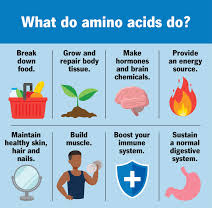
Let’s look at the lack of each amino acid and its consequences. So, arginine deficiency leads to impaired growth and erectile dysfunction. From arginine deficiency, muscle tissue suffers, nitric oxide ceases to be synthesized, as a result of which heart disease can develop. Glycine deficiency – sleep disturbance, anxiety, increased excitability. Glutamine – loss of muscle mass, oxidative stress (lack of sea fish, greens, beef, eggs, beans in the diet). Lack of proline is a violation of the synthesis of collagen and connective tissue (bones, joints).
Taurine deficiency – disruptions in the gastrointestinal tract, pathologies of brain development in children, disturbances in the functioning of the myocardium.
Lack of tyrosine – problems with skin pigmentation; tryptophan – anemia, infertility, hair loss, anxiety, irritability, severe weight loss, tooth loss, baldness, dermatitis, neuritis, mental disorders, sleep disturbancecysteine - deficiency leads to problems with the health of nails and hair; Valina is associated with neurological diseases, muscle atrophy, arthritis, sleep disturbances, and weakened immunity. The body does not produce this amino acid, so it is necessary to obtain it from food; it can be replenished with the help of meat, dairy and seafood.
A lack of histidine can lead to a decrease in hemoglobin levels. Its deficiency can lead to weakened hearing and disruption of many metabolic processes; leucine – a lack of this amino acid leads to headaches, dizziness, and decreased immunity. It helps regulate blood sugar levels, growth and repair of muscle and bone tissue. Lysine deficiency causes physical malaise, weakness, dizziness and nausea; methionine – this amino acid is necessary to maintain growth and nitrogen balance in the body, adrenal function, and lipid metabolism.
A lack of threonine leads to a lack of all amino acids for the synthesis of which it is necessary. It is involved in the synthesis of collagen and elastin, in protein and fat metabolism, stimulates the immune system and helps the liver function, preventing the deposition of fats in it.
Tryptophan deficiency is associated with depression, poor sleep, anxiety, and impulsivity.
And if you take dietary supplements, then keep in mind that only those that indicate 100% substance and manufacturer help. Be sure to study the composition! For example, if we have 100% stingray cartilage in our composition, then our body needs it for the bones of the joints, especially for people after 30 years of age, and especially for the older generation!”